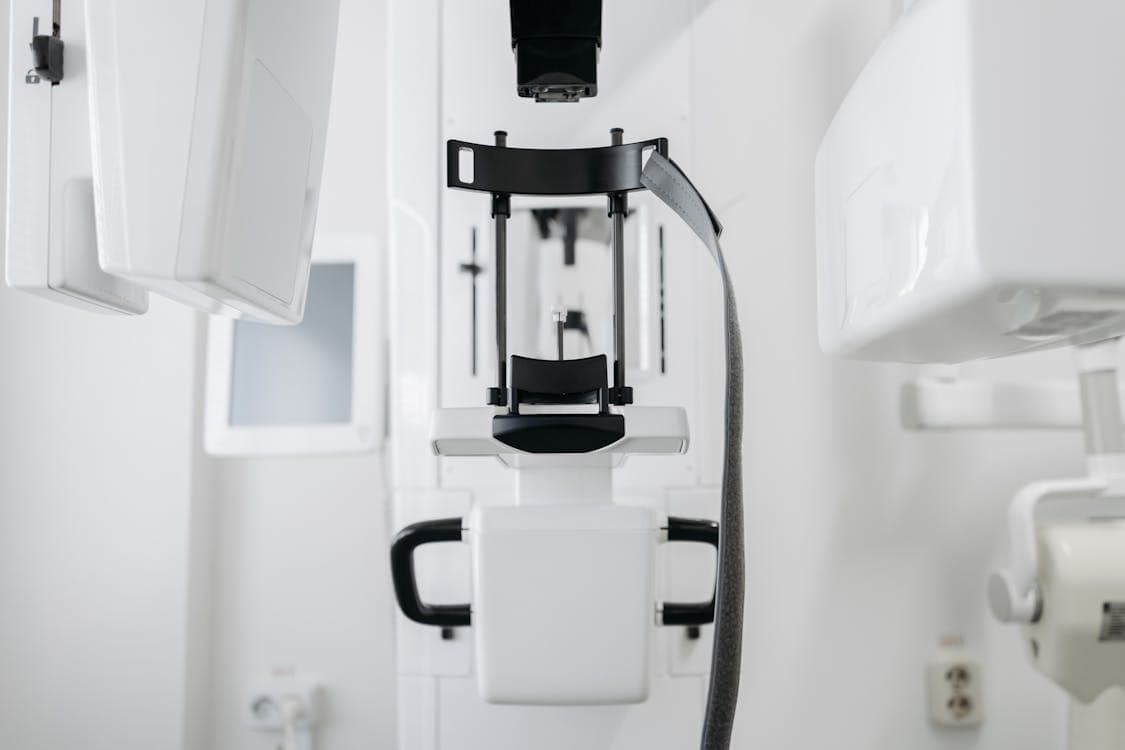
Digital change in medical imaging is no longer optional for centers that want to remain relevant and efficient. Converting a traditional imaging center into a digitally driven operation calls for careful planning, selective technology choices, and clear staff engagement.
Patients expect faster results, easier booking, and better communication while clinicians demand reliable, timely access to images. The effort pays off when workflows run smoother and care teams can focus on patients rather than paperwork.
Assess Current Workflow And Infrastructure
Begin with a frank look at how work actually flows from referral to report, naming bottlenecks that slow patient throughput. Map where images are acquired, stored, and accessed so you can spot outdated devices, network weak points, and administrative overhead.
Talk to technologists, radiologists, front desk staff, and patients to capture a broad set of perspectives that reveal what works and what does not. Keep the assessment practical and focused on quick wins and longer term fixes.
Build A Clear Digital Roadmap With Stakeholders
Outline priorities and timelines that match clinical needs and budget realities while keeping stakeholders in the loop. Treat the plan as a living document that can be adjusted as pilots prove what works and what needs refinement.
Include measurable goals such as reduced report turnaround time, fewer repeat scans, and higher patient satisfaction scores. Make sure responsibilities are clear so progress does not stall at the decision gate.
Upgrade Imaging Modalities And Network Connectivity
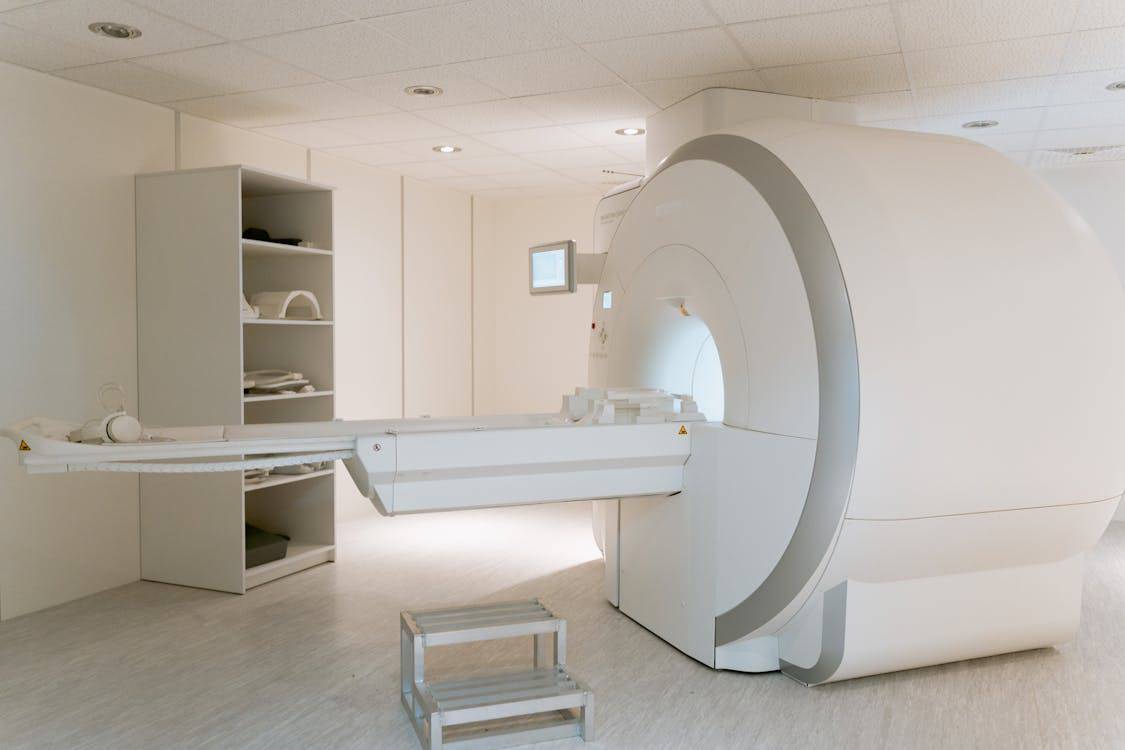
Replace aging scanners where image quality or uptime issues create repeat studies or delayed diagnoses and prioritize upgrades that deliver the most clinical value. Improve network capacity and redundancy so large image files travel reliably between acquisition suites, servers, and reading stations without clogging the hospital network.
Think about direct routes for critical studies so urgent cases are read first and not buried in a queue. Good hardware and solid connectivity cut down the number of interruptions that frustrate staff and patients.
Implement Modern PACS And Cloud Options
Choose an image management system that supports fast retrieval, flexible reading workflows, and integrations with the electronic health record system. Evaluate cloud hosting for scalable storage and easier access across multiple sites while weighing ongoing operational costs and local regulatory constraints.
Look for vendor systems that allow fine grained access control so radiologists can share studies securely with referring clinicians. A solid PACS choice reduces friction when clinicians need a second look at a case.
Improve Scheduling And Patient Communication
Move away from paper based scheduling and adopt online appointment tools that let patients pick windows and receive reminders through multiple channels. Implement pre visit checklists delivered electronically so intake is faster and technologists are prepared for each case type.
Provide clear instructions on preparation and expected wait times to lower anxiety and reduce no show rates. When patients feel informed they tend to arrive on time and follow through with imaging plans.
Secure Data And Comply With Regulations
Treat privacy and security as foundational rather than optional by applying access controls, encryption for data in flight and at rest, and regular audits of system logs. Create a simple incident response plan so staff know who to call and what steps to take if a breach or outage occurs.
Align policies with regional health information rules and document choices so auditors can follow the trail. A proactive security posture builds trust with clinicians and patients alike.
Train Staff And Manage Change Humanely
Provide hands on training sessions that match staff roles and repeat them with new hires so competence becomes routine rather than a one time event. Use role play and scenario based drills for common events such as urgent reads or equipment failures so the team can hit the ground running when pressure rises.
Recognize early adopters and let them share tips and short cuts that work in daily practice, creating peer led momentum. Change is easier when people feel heard and their workload is respected.
Measure Performance And Iterate Regularly
Set up dashboards that show key metrics like average exam turnaround time, repeat imaging rate, and system uptime so leaders can spot trends and act quickly. Run brief improvement cycles where teams test small process changes, measure results, and scale what succeeds while discarding what does not.
Keep meetings short and focused on data points and concrete next steps rather than long debates. Continuous review keeps progress visible and prevents old habits from creeping back in.
Expand Clinical Value Through Collaborative Tools
Introduce structured reporting templates and decision support that guide image interpretation and boost consistency across readers. Offer secure image sharing with referring physicians and multidisciplinary teams so care plans can be discussed with the right visuals on hand.
For teams looking to learn from other centers’ experiences, it helps to browse additional imaging center insights to see what strategies work in practice.
Enable second opinions and remote reads when subspecialty expertise is needed without delaying care for patients who travel. Collaboration tools turn stored images into living assets that inform care beyond a single visit.
